

I’ve been asked about my preference in a PCP rifle action for hunting: is it a sidelever or a bolt? I am going to explain why I prefer a sidelever, but I also want to be upfront: if I like everything else about a rifle and it has a bolt action, that will not stop me from buying it. I have many bolt actions in my collection that will stay there, but most of my new guns are side-lever.
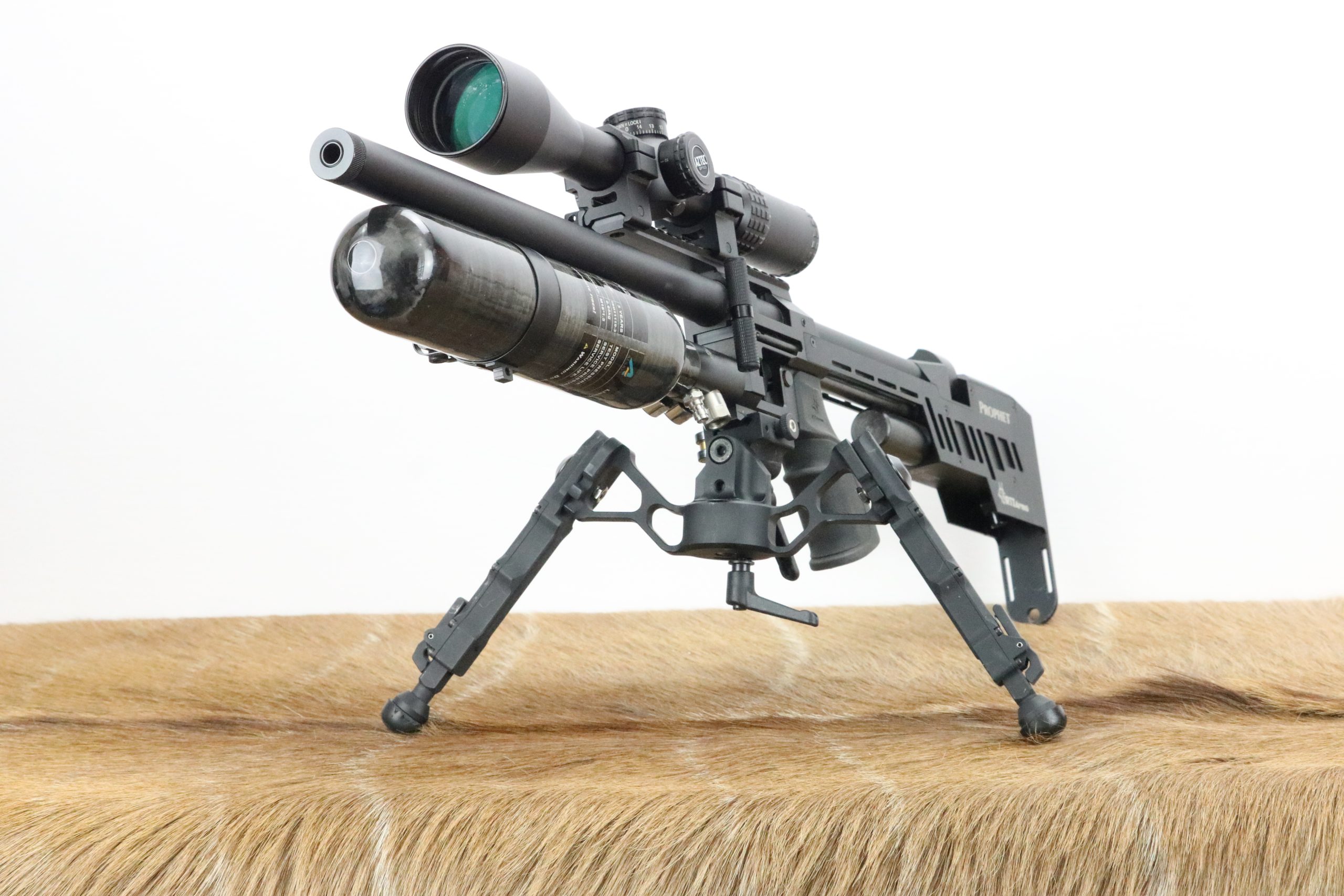
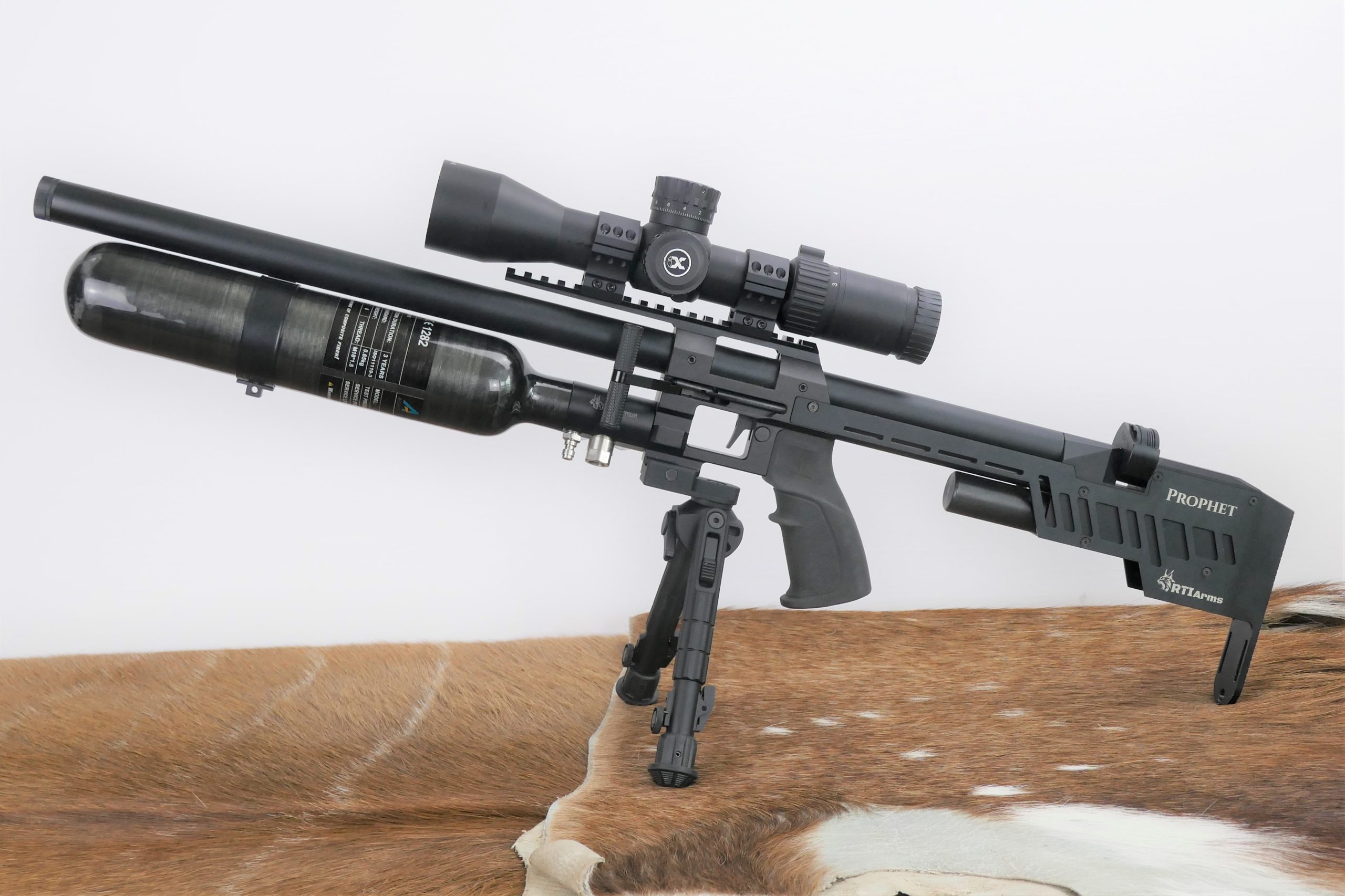
My Prophet has one of the smoothest and most ergonomic side levers to be found.
Ask most experienced hunters, and they’ll tell you that while the first shot is important, the follow‑up shot can be the one that counts. Whether you’re clearing feral pigeons in a barn or taking a jittery fox squirrel in dense woods, speed can make the difference.
Side‑levers are very well suited for hunting. The mechanism enables faster cycling with less effort, resulting in reduced motion and more accurate follow-up. Couple this with seamless integration with a high‑capacity magazine, and it becomes a fast, stable platform for cycling.
-

- A traditional bolt drives Linear magazine
-

- The bolt on my Umarex Hammer has a short pull
-

- A side lever is easier to cycle in a prone postion without breaking the cheekweld.
This is why so many flagship PCP rifles, like the Daystate Delta Wolf, Brocock Ghost, and RTI Prophet, use them. And an emerging trend is that many budget-friendly models are being offered with a side lever. Manufacturers don’t make this choice lightly. They do it because hunters need a fast, smooth action, and this requirement is well served by a side‑lever action.
As I said, bolt actions can still be quick in practiced hands, but they typically do not match the fluidity of a well‑designed side‑lever. What I have found is that in a very well-engineered and manufactured rifle, a bolt action can be made smooth and fast to cycle. And though it may approximate a side lever, in my experience, it will not surpass it.
However, in mid-level mass-produced, budget, or mid-tier model rifles, a side lever will almost always be much better. Many of the more powerful PCP rifles require an increased cocking force, and this is where a side‑lever can be advantageous. A bolt action can become stiff or awkward at high pressures. A side‑lever, with its longer handle and optimized leverage, makes cocking smooth and predictable. This improves consistency and keeps the shooter focused on the shot rather than the mechanics.
I have heard it said that the bolt action still has one notable advantage: rugged simplicity. With fewer moving parts and a straightforward locking system, some believe that bolts tolerate abuse better. Hunters who trek deep into harsh terrain or want mechanical minimalism may prefer the bolt action. But I have to say that after shooting hundreds of rifles with both actions, I haven’t seen a real advantage with respect to reliability, at least in the last several years. Modern side‑levers have become tougher and more reliable than ever before.
